Enabling digital transformation of hospitals
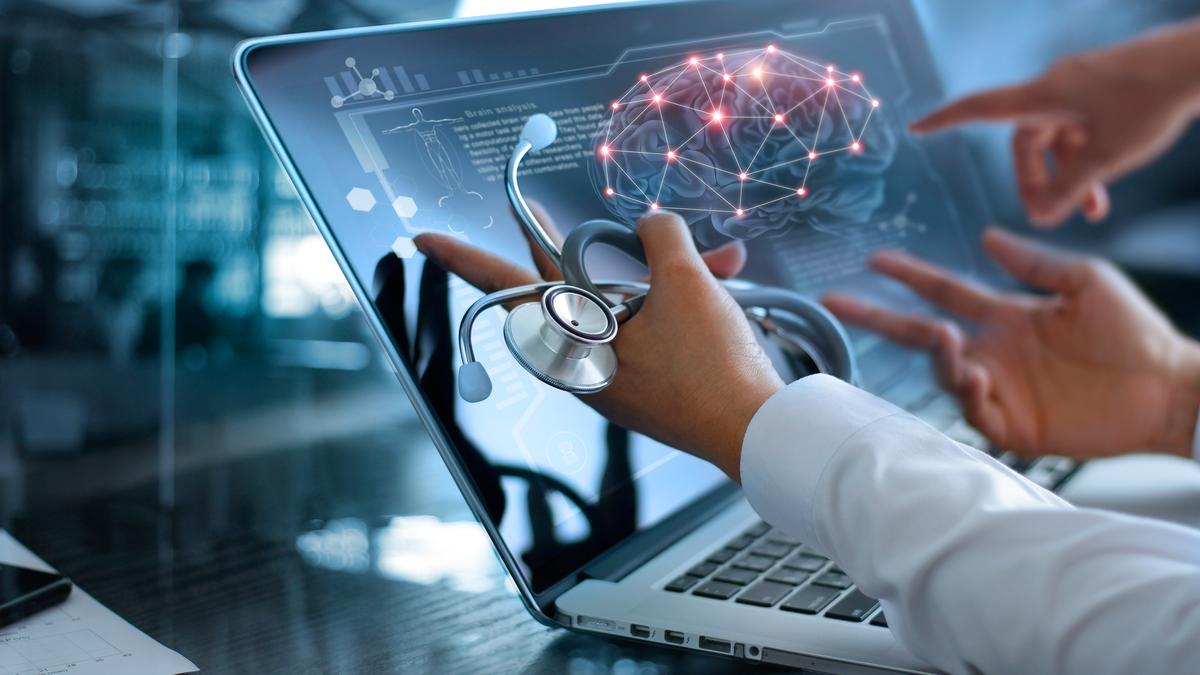
Hands-on experience with real-world tools and platforms will become necessary. Continuous professional development for the faculty should be mandatory.
| Photo Credit: Getty Images
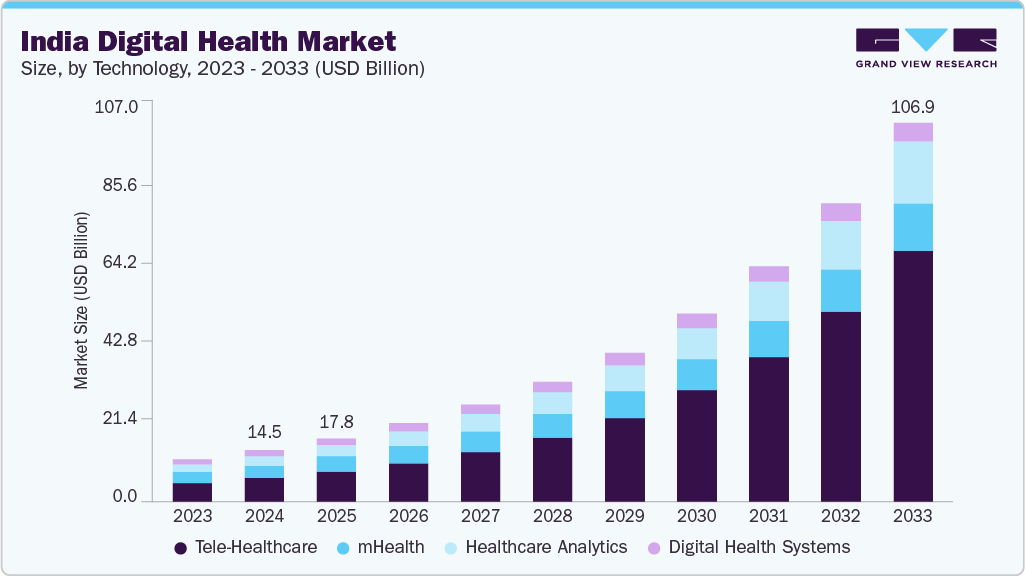
It is universally acknowledged that Digital India has put digital health and artificial intelligence as its priority. Along with scores of major hospital chains, the National Digital Health Mission and NITI Aayog have started implementing AI-enabled digital health programmes. It is no longer “when”; it is a question of “now”. Hospital managers now need to be digital health leaders who can design, evaluate and govern technology-enabled care models for India’s mixed health system.
The reimagined MBA programme in healthcare management should align with India’s National Digital Health stack Ayushman Bharath Digital Mission (ABDM) and view healthcare as a data-driven service industry. Integrating private hospital records with the National Digital Health Blueprint (NDHB) as core content in “Digital Health Systems” and “Health Policy & Regulation” modules will be necessary.
Medical administrators need to lead digital transformation in hospitals and health systems. They should be familiar with clinical workflows and technology integration, electronic health record standards, telemedicine practice guidelines, medical device and Central Drugs Standard Control Organisation regulations. The administrators of the future, particularly when working in resource- constrained environments, need exposure to health technology assessment (HTA) and economic evaluation of AI and digital interventions. In the coming decade, they should be staunch advocates of “Make in India, for the world”. They should look at Indian hospitals as a destination for global netizens. They need to see the “big picture”. They should be managers who can be absorbed into national and State digital health programmes in India and overseas.
Partnering with leading health tech companies, start-ups and research institutions will ensure that MBA (healthcare management) students gain hands-on experience with real-world AI applications and digital health innovations. These partnerships provide access to live datasets, AI platforms, and mentorship from industry experts. Internships with national and global health tech platforms, medical device and imaging companies, healthcare IT and consulting firms will be required. Healthcare managers should be exposed to case-based learning using Indian and global examples of AI in radiology, pathology, ICU, population risk prediction, and operations.
Modern content
Training the trainer is equally important. Delivering modern, interdisciplinary content relevant to India’s evolving digital health landscape may require unlearning and relearning. Hands-on experience with real-world tools and platforms will become necessary. Continuous professional development for the faculty should be mandatory.
The AIIMS, IIM and IIT in Jammu need to be congratulated for putting together a truly blended, future-ready, joint MBA programme in hospital administration & healthcare management. This pioneering programme focuses on managing healthcare systems, blending medical insights with management and technology. The two-year, full-time residential programme provides specialised skills for leadership roles in digital health. Leveraging the strengths of the three national institutions, it is indeed a future-ready course.
A brainstorming session involving decision makers of digital health with management “gurus” and tech enablers in healthcare is necessary to develop a cadre of future-ready medical administrators and healthcare managers.
( The author is a Distinguished Professor @ The Tamilnadu Dr MGR Medical University & Past President of the Neurological Society of India & Telemedicine Society of India Email : [email protected]
Published – January 18, 2026 02:44 am IST
link